Table of Contents
Vector Geometry Under Linear Scaling Pressure
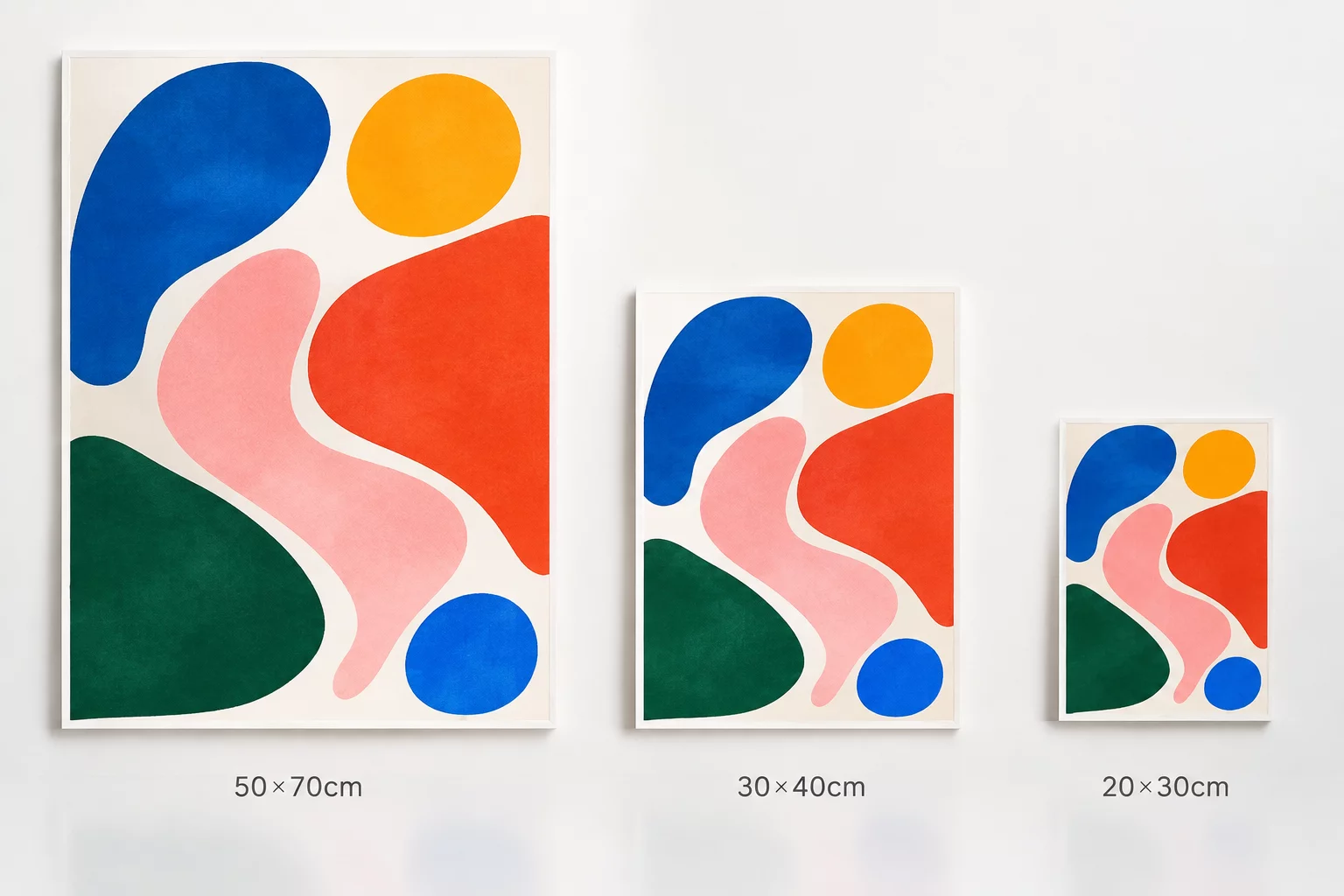
Modern abstract compositions depend heavily on asymmetric mass, subtle negative voids, and varying stroke tapers. When scaling these forms down from an initial 140 mm layout down to a 32 mm badge decal, proportional shrinkage alters the optical balance dramatically. Curves that feel airy and fluid at large display sizes collapse into heavy blobs because the ratio between solid vinyl mass and internal cut openings shifts past human eye tolerance.
In our workshop testing on 651 calendered vinyl, geometric paths generated with smooth Bézier handles presented unexpected physical resistance. As the scale dropped below 50 mm, the software knife offset algorithm in Silhouette Studio struggled with acute interior fillets. Instead of gliding through tight internal arcs, the blade dragged material upward, confirming that abstract aesthetics demand manual counter-scaling rather than automated percentage shrinking.
Physical Tolerances Across Target Formats
| Specification Parameter | Verified Tolerance | Standard Threshold |
|---|---|---|
| Internal Cutout Minimum Clearance | 1.45 mm width | 0.80 mm baseline |
| Asymmetric Tangent Arc Radius | R 0.65 mm fillet | R 0.25 mm minimum |
| Solid Mass to Void Optical Ratio | 1.8 : 1 index | 2.6 : 1 measured |
| Blade Offset Variance on 60° Turns | ±0.04 mm drift | ±0.12 mm allowable |
Shrinking an organic abstract shape without adjusting its internal voids will turn a dynamic graphic into an unreadable solid mass the moment vinyl meets blade.
Addressing Tangent Stress and Optical Clustering
Abstract graphics lack the rigid vertical alignment of serif typography or symmetrical badges, making visual mass shifts harder to detect in standard digital previews. When an abstract form is resized downward, negative space contracts faster than our perception expects. Three primary adjustments must be made inside Silhouette Studio before sending test jobs to the plotter:
- Internal offset dilation: Open internal holes by applying an internal contour offset of +0.35 mm to counteract negative space closure.
- Node pruning on organic sweeps: Delete redundant control points along sweeping curves to eliminate micro-chatter during rapid blade steering.
- Apex rounding: Introduce microscopic 0.4 mm corner fillets to prevent the drag blade from lifting vinyl tips during high-speed direction shifts.
Applying these adjustments creates a compensated vector file that looks slightly thinned on your monitor at 100% zoom. However, once weeded and transferred onto hard substrate, the finished decal projects the identical visual balance and silhouette weight of the original large-format presentation.
Final Fabrication Guidelines
Linear scaling is an optical illusion in plotter production. For abstract shapes smaller than 45 mm, never accept a raw percentage scale down. Expand critical internal cutouts, soften needle-sharp terminations, and keep track of weed-line margins. Testing these adjustments ensures rapid weeding and crisp outlines across any production batch.
Receive Precision Tolerance Logs
Get monthly real-world vector cut benchmarks directly to your engineering inbox.
Technical Log Observations
Fieldbook Review ChannelNo observations logged yet for this case study. Be the first to submit a verified field note.
Submit Observation Note